


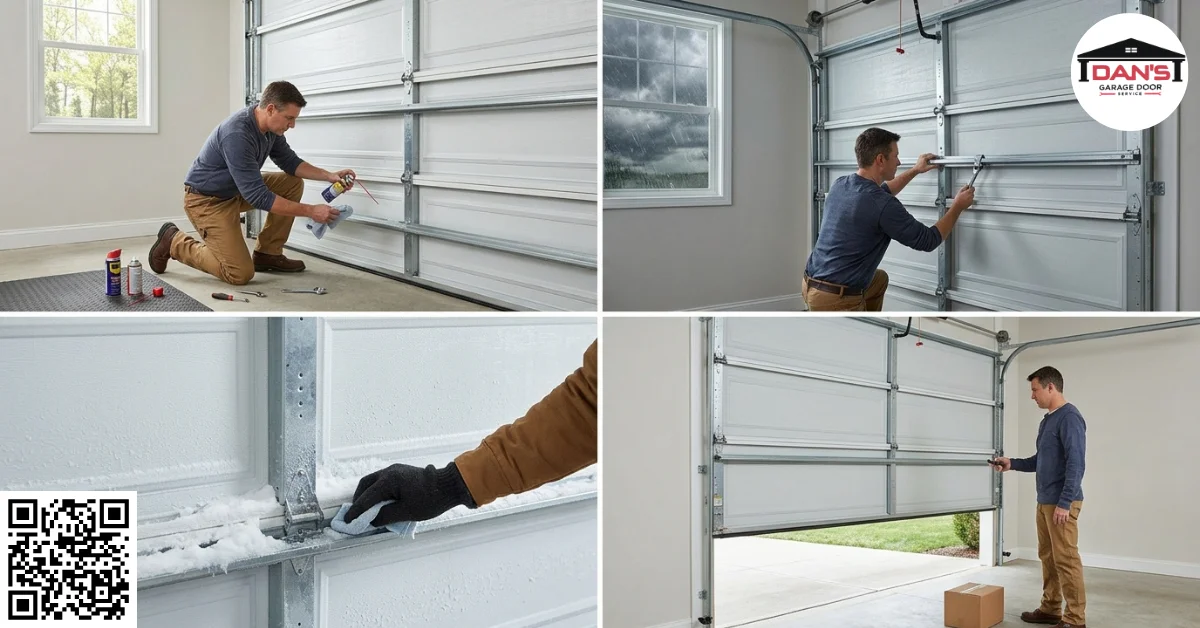

Texas weather is legendary for its unpredictable mood swings. One week you are dealing with blistering 100-degree summer heatwaves, and the next, a sudden severe thunderstorm brings pounding hail and flash floods. If you live in the Lone Star State long enough, you also know that freezing winter blizzards and chaotic spring tornadoes are always on the table.
While you are busy stocking up on bottled water and checking your air conditioning system, there is one massive, heavy, moving part of your home that is likely being ignored: your garage door.
As a garage door technician with 15 years of boots-on-the-ground experience right here in Texas, I have seen firsthand what extreme weather can do. I have repaired doors warped by brutal summer sun, tracks jammed by blowing dust, and springs snapped by freezing winter mornings. Your garage door is not just a convenience; it is the largest entry point to your home. When it fails, your home’s security, energy efficiency, and safety go right down the drain.
This comprehensive guide will walk you through everything you need to know about weatherproofing your garage door for Texas weather. From simple weekend DIY tasks to knowing exactly when to call in a professional for high-quality garage door repair, we will cover it all in plain, simple English.
Why Texas Weather is Brutal on Your Garage Door
To fix a problem, you first have to understand what you are up against. Texas has several unique weather zones, but almost every region shares a few common enemies that love to wreak havoc on garage door systems.
Extreme Heat and Intense UV Rays
Summer in Texas is relentless. When the sun beats down on a steel or wooden garage door for hours at a time, temperatures inside the garage can quickly skyrocket to over 120 degrees. This extreme heat does more than just make your garage uncomfortable; it actively damages your door components.
- Warping: Wooden doors can warp, split, and crack, while cheap vinyl doors can soften and lose their shape.
- Electronics Failure: Garage door openers contain circuit boards. Extreme attic and garage heat can cause these electronic components to overheat and fail prematurely.
- Lubricant Meltdown: Standard greases and oils can actually melt and drip off your rollers and hinges when temperatures get too high, leaving your moving parts bone-dry and grinding against each other.
Severe Thunderstorms, High Winds, and Hail
Spring and autumn in Texas frequently bring severe weather cells. High winds act like a giant sail against the massive surface area of your garage door. If a garage door buckles or blows inward during a severe storm, the sudden change in air pressure can actually blow the roof clean off your house. Additionally, heavy downpours can pool water at the base of your door, leading to rot in wood doors or rust in steel ones.
Freezing Winter Temp Spikes
We all remember the historic Texas freezes. When the temperature plummets below freezing, metal contracts. Your garage door springs, which are under an immense amount of tension, become brittle in cold weather. This is why local garage door repair companies see a massive spike in broken spring calls on the very first cold day of winter. Furthermore, moisture at the bottom of the door can freeze solid to your concrete driveway, pinning the door shut. If you try to open it while it is frozen to the ground, you can easily burn out your opener motor or tear the rubber bottom seal right off.
The Ultimate Texas Weatherproofing Checklist
The best defense against Mother Nature is a good offense. By performing regular maintenance, you can prevent costly breakdowns and extend the lifespan of your garage door by years. Here is your step-by-step weatherproofing checklist.
1. Inspect and Replace the Weather Stripping
The weather stripping is the rubber or vinyl seal that runs along the bottom, sides, and top of your garage door. Its main job is to seal the gaps between the door and the frame, keeping hot air, freezing wind, rain, and bugs outside where they belong.
How to Check It:
Close your garage door completely and turn off the lights inside the garage. Look around the edges of the door. If you see daylight peeking through anywhere, your seals are failing. Walk up to the door and feel the rubber. Is it brittle, cracked, or crumbling? If it feels like dry toast, it is time for a replacement.
Step-by-Step Replacement Guide:
- Measure and Buy: Measure the width and height of your garage door. Head to your local hardware store and look for a high-quality, heavy-duty vinyl or silicone weather seal. Silicone stays flexible across a wider temperature range than cheap PVC.
- Remove the Old Seal: Slide or pull the old, damaged rubber out of the aluminum track at the bottom of the door. If it is nailed or screwed directly to the wood or frame, carefully pry it off.
- Clean the Track: Take a stiff brush and some soapy water to clean out any dirt, mud, or spiderwebs from the mounting area. Let it dry completely.
- Install the New Seal: Slide the new rubber bulb seal into the track channels. If you are using side and top seals, screw or nail them into the door jamb so that the rubber flap presses gently but firmly against the outside face of the door when it is fully closed. Do not press it so tightly that it causes the door to bind or struggle when moving.
2. Lubricate Moving Parts for Temperature Swings
Lubrication is the lifeblood of a smooth-running garage door. Because Texas temperatures swing wildly from hot to cold, you must use the right type of lubricant.
CRITICAL WARNING: Never use WD-40 or standard mechanical grease on your garage door tracks or rollers. WD-40 is a degreaser and a solvent, not a long-term lubricant. It will attract thick Texas dust and dirt, turning into a sticky paste that jams your door. Heavy grease will also harden in the winter and melt off in the summer.
What to Use:
Always use a high-quality lithium-based grease spray or a silicone-based garage door lubricant. These are specifically engineered to withstand extreme temperatures without breaking down or attracting dirt.
Where to Spray:
- Rollers: Spray the bearings inside the rollers (if you have steel rollers). If you have nylon rollers without bearings, just spray the stem where it sits in the hinge bracket.
- Hinges: Apply a small squirt to every single pivot point where the door panels bend.
- Springs: Lightly coat the entire length of the torsion spring (the big spring wound up on a bar above your door). This stops the coils from grinding against each other and prevents rust.
- Tracks: Do not lubricate the inside of the tracks where the rollers roll. Simply wipe the tracks clean with a damp rag to remove dust. Lubricating the tracks causes the rollers to slide rather than roll, which creates flat spots on the rollers.
3. Test and Inspect the Balance of Your Door
A garage door that is out of balance will put extreme stress on your garage door opener motor. During severe weather, a poorly balanced door is much more likely to buckle under high wind pressure.
The Balance Test:
- Pull the red emergency release cord hanging from your garage door opener. This disconnects the door from the motor so you can operate it by hand.
- Carefully lift the garage door halfway up manually and let go.
- The Result: If the door stays perfectly in place (or hovers slightly), your springs are properly balanced. If the door slams shut or flies upward violently, your springs have lost their correct tension.
If your door fails this test, do not attempt to adjust the springs yourself. Torsion springs hold enough mechanical energy to cause severe injury or property damage. This is a task that strictly requires professional garage door repair expertise.
Real-World Troubleshooting Scenarios
As a technician, I get called out to homes every single day to solve problems caused by the weather. Let’s look at three very common real-world scenarios that Texas homeowners face and how you can troubleshoot or handle them safely.
Scenario A: The Summer Safety Sensor Meltdown
- The Problem: It is 4:00 PM on a blazing hot July afternoon. You press the button to close your garage door. The door travels down a few inches, suddenly stops, reverses back up to the open position, and the opener light bulb starts flashing repeatedly.
- The Cause: Your garage door safety sensors (the "photo-eyes" located about six inches off the ground on either side of the door) are misaligned or blinded. In Texas, the afternoon sun can hit the concrete driveway at an exact angle that overpowers the infrared beam of the safety sensors. The system thinks an object or a child is blocking the door.
- The Solution: First, check to see if blowing dust or a stray cobweb is covering the sensor lenses and wipe them clean with a soft cloth. Next, ensure the tiny green and amber LED lights on the sensors are solid and not blinking. If the sun is blinding them, you can create a makeshift "sun shield" using a small piece of cardboard or dark duct tape wrapped like a visor around the sensor housing to block the direct sunlight while keeping the pathway between the two sensors clear.
Scenario B: The Post-Thunderstorm Track Jam
- The Problem: A massive storm line just rolled through, dumping heavy rain and blowing intense gusts of wind. The next morning, you try to open your door, and it makes a horrible grinding noise, moving only a couple of feet before stopping completely.
- The Cause: High Texas winds carry a massive amount of dirt, twigs, oak tassels, and yard debris. When wind forces its way against your door, it can blow this debris directly into your vertical tracks. If a small twig or pebble gets wedged in the track channel, the roller will hit it like a speed bump, causing the opener's safety system to trigger and stop the door.
- The Solution: Grab a sturdy ladder and a flashlight. Visually inspect the entire length of both tracks. Use a stiff putty knife or an old toothbrush to scrape out any compacted mud, leaves, or debris. Wipe it clean with a rag soaked in a little bit of rubbing alcohol or soapy water. Try operating the door again manually to ensure it rolls smoothly through the cleared section.
Scenario C: The Winter Freeze-Lock
- The Problem: You wake up to a rare Texas winter wonderland, but you need to get to work. You hit the garage door remote; the opener lets out a loud, painful groan, but the door refuses to budge even an inch.
- The Cause: Water from rain or melting snow on your driveway has pooled directly underneath your bottom rubber seal. Overnight, the temperature dropped into the 20s, freezing that water solid and literally welding your garage door to the concrete driveway.
- The Solution: Do not keep pressing the remote button! Doing so can burn out your opener’s motor gear or strip the drive belt/chain. Instead, grab a pitcher of warm (not boiling) water and carefully pour it along the bottom edge of the garage door on the outside to melt the ice bond. Alternatively, you can use a hair dryer or carefully chip away at the ice with a plastic ice scraper. Once the door is free, immediately wipe the driveway surface dry and apply a silicone protectant spray to the bottom rubber seal to prevent water from sticking to it again the following night.
Materials Matter: Choosing the Right Door for Texas
If your current garage door is old, rusted, or severely warped, no amount of weather stripping is going to save it from the next major Texas weather event. If you are shopping for a replacement door, you need to choose materials designed to thrive in our specific climate.
Door Material | Heat Resistance | Wind/Storm Durability | Maintenance Required | Best For Texas? |
Non-Insulated Steel | Poor (Turns garage into an oven) | Moderate (Can buckle easily) | Low (Just wash occasionally) | No |
Insulated Sandwich Steel | Excellent (Keeps garage cool) | High (Very rigid structure) | Low (Extremely durable) | Yes (Highly Recommended) |
Natural Wood | Moderate (Prone to drying out) | High (Heavy and solid) | High (Needs painting/staining) | Only with constant upkeep |
Fiberglass / Vinyl | Poor (Can warp or crack in high UV) | Moderate | Low | No |
The Power of Insulation (R-Value)
When buying a new door, look closely at its R-value. The R-value measures the material’s resistance to heat flow. The higher the number, the better it keeps the brutal Texas summer heat out of your home. For an attached garage in Texas, look for an insulated door with an R-value of at least R-10 to R-16. This will drastically lower your home cooling bills and take a massive load off your home air conditioning system.
Wind-Load Certification
If you live closer to coastal areas or open plains prone to high winds and tornadoes, ask your installer for a Wind-Load Rated garage door. These doors are reinforced with heavy-duty internal steel struts, heavy-gauge tracks, and robust hinges designed to withstand positive and negative wind pressures without collapsing.
Professional vs. DIY Maintenance: Staying Safe
While cleaning tracks, replacing a bottom rubber seal, and spraying silicone lubricant are fantastic weekend DIY projects for any homeowner, there is a very fine line between a simple home improvement project and a dangerous situation.
A standard residential garage door can weigh anywhere from 130 to over 350 pounds. That weight is entirely counterbalanced by the garage door springs. Those springs are under extreme mechanical tension. If a spring snaps while you are tinkering with it, it can slice through metal, break bones, or cause life-threatening injuries.
What You Can Safely Do Yourself:
- Wiping down and cleaning tracks.
- Lubricating hinges, rollers, and springs with specific garage door spray.
- Replacing torn or worn perimeter weather stripping and bottom seals.
- Clearing and wiping down safety sensor photo-eyes.
- Testing the balance and safety auto-reverse mechanisms of the door.
What You Must Leave to a Professional:
- Replacing broken torsion or extension springs.
- Adjusting or replacing frayed steel lifting cables.
- Replacing damaged rollers or hinges that are directly attached to the bottom brackets (which are under tension from the cables).
- Realignment of tracks that have completely bent out of shape.
- Internal garage door opener motor repairs or gear replacements.
If you ever feel uncertain, hear unusual popping or scraping noises, or notice your door lifting unevenly, it is always best to step back and call a trusted local technician for professional garage door repair. Taking unnecessary risks with a heavy garage door is never worth saving a quick buck.
Frequently Asked Questions (FAQs)
How often should I perform weatherproofing maintenance on my Texas garage door?
You should complete a full inspection and lubricate your garage door components at least twice a year—ideally once in the spring before the intense summer heat hits, and once in the late autumn before freezing winter temperatures arrive.
Can I paint my garage door a dark color to match my home's exterior trim in Texas?
It is highly recommended to stick to light colors like white, beige, or light gray for Texas garage doors, as dark paint absorbs immense amounts of UV heat, which can rapidly warp the door panels and degrade internal insulation.
Why does my garage door opener remote stop working only during the hot afternoon hours?
Extreme heat inside your garage can cause the electronic circuit board inside your garage door opener to temporarily expand and lose proper electrical contact, or it can cause radio frequency interference with older remote signals.
Will adding insulation panels to my existing non-insulated garage door void its warranty?
Yes, aftermarket insulation kits add extra unmeasured weight to your door panel, which can throw the entire spring system out of balance, strain the opener motor, and almost always void the manufacturer's warranty.
Final Thoughts
Weatherproofing your Texas garage door is one of the smartest home maintenance investments you can make. By taking the time to inspect your weather stripping, properly lubricating the moving components with temperature-resistant silicone, and testing your system's balance regularly, you can save yourself hundreds of dollars in unnecessary utility bills and sudden emergency repair costs. Don't wait until the next major storm or historic freeze leaves you stranded with a broken door or a flooded garage. Take action today to protect your investment and secure your home!
How Can Dan's Garage Doors Service TX Help You?
Are you ready to get your garage door fully prepped and fortified against unpredictable Texas weather? Leave the heavy lifting and high-tension tuning to the local professionals! At Dan's Garage Doors Service TX, we specialize in top-tier garage door repair, precision spring replacement, professional weatherproofing, insulation upgrades, and thorough safety tune-ups engineered specifically for Texas homes.
Don't gamble with your family's safety or comfort. Give us a call today to schedule a comprehensive multi-point inspection and weatherproofing service with one of our experienced, friendly technicians!
- Business Name: Dan's Garage Doors Service TX
- Business Address: 2780 Wegner Rd, New Braunfels, TX 78130
- Phone Number: (210) 708-9042